
September 5, 2026
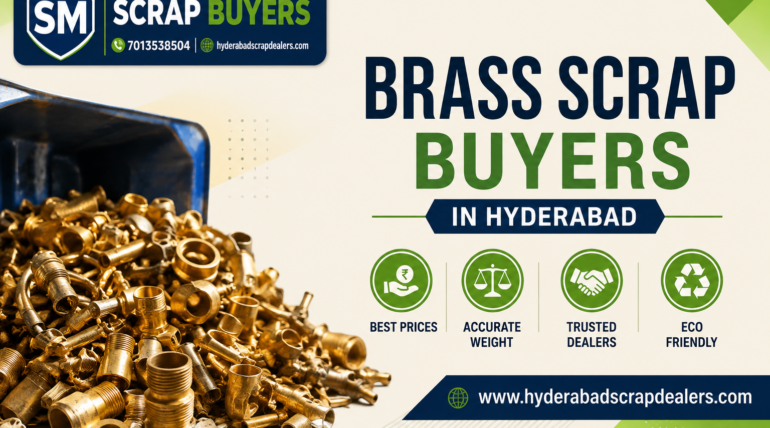
Brass is one of the most valuable recyclable metals because of its durability, attractive appearance, corrosion resistance, and strong demand across several industries. From old plumbing fittings and electrical components to industrial parts, hardware, utensils, and discarded machinery components, brass scrap can accumulate in homes, workshops, construction sites, factories, and commercial establishments. Instead of allowing these materials to occupy valuable space, sellers can turn unwanted brass into a useful source of income by approaching reliable brass scrap buyers in Hyderabad.
Hyderabad is a rapidly developing city with a diverse industrial and commercial ecosystem. As construction, manufacturing, renovation, and infrastructure activities continue, the generation of recyclable metal waste also increases. Understanding how brass scrap is evaluated, prepared, weighed, and sold can help sellers make more informed decisions and receive a fair market-based value.
Understanding Brass Scrap
Brass is an alloy primarily made from copper and zinc. Its combination of strength, workability, and resistance to corrosion makes it useful in many everyday and industrial applications. Common brass products include taps, valves, pipe fittings, locks, handles, gears, decorative articles, electrical components, machine parts, and various hardware items.
When these products reach the end of their useful life, they become valuable recyclable material. Unlike many ordinary waste materials, brass can be recovered and processed for reuse. This makes brass scrap recycling an important part of responsible waste management.
The value of brass scrap can vary considerably depending on its composition, cleanliness, form, quantity, and prevailing metal market conditions.
Why Brass Scrap Has Good Recycling Value
One of the primary reasons brass scrap attracts buyers is its metal content. Brass contains copper, which is itself a valuable industrial metal. Recycling brass can reduce the requirement for newly mined raw materials and lower some of the energy and resource demands associated with primary metal production.
For sellers, this means that items considered useless in their original form may still have considerable monetary value. Old fittings, damaged components, manufacturing offcuts, and discarded brass articles should therefore not automatically be treated as general waste.
People searching for brass scrap buyers in Hyderabad should understand that different grades and forms of brass may receive different prices. Proper sorting can make the selling process easier and more transparent.
Common Types of Brass Scrap
Brass scrap is not always uniform. Buyers generally examine the material before determining its value. Some commonly encountered categories include:
- Brass plumbing fittings and fixtures
- Brass taps and valves
- Brass rods and bars
- Brass sheets and plates
- Brass machine components
- Brass electrical parts
- Brass hardware and fasteners
- Brass utensils and household articles
- Brass turnings and machining waste
- Mixed brass scrap
- Brass-containing industrial components
Clean, sorted material is generally easier to assess than mixed scrap containing other metals, plastic, rubber, paint, or excessive dirt.
Factors That Influence Brass Scrap Prices
Anyone planning to sell brass should know that scrap prices are not necessarily fixed. Several factors can affect the amount offered for a particular batch.
1. Brass Grade
The composition and quality of the brass can influence its value. Different alloys contain different proportions of copper, zinc, and other elements. Consequently, two items that look similar may not necessarily have identical scrap values.
2. Cleanliness
Clean brass scrap is easier to process. Material containing excessive contamination may require additional sorting or processing, which can affect the offered price.
3. Quantity
The total quantity being sold can also influence negotiations. Larger quantities may be commercially attractive because they can be collected, transported, and processed more efficiently.
4. Market Conditions
Metal prices can fluctuate according to supply, demand, industrial consumption, international commodity trends, and other economic factors. Therefore, sellers should check current rates rather than relying on an old quotation.
5. Mixed Materials
Brass items may sometimes contain steel screws, plastic covers, rubber seals, or other materials. If these cannot be easily separated, the overall value of the lot may differ from that of clean brass.
How to Prepare Brass Scrap Before Selling
A little preparation can make the selling process more organized. Sellers can begin by collecting all brass items in one location and separating them from unrelated waste.
Remove obvious non-metal attachments where doing so is safe and practical. Separate clean brass from mixed or heavily contaminated material. Keep larger components together and avoid unnecessarily damaging items that can be identified and classified more easily.
For workshops and businesses, maintaining separate containers for brass scrap from the beginning can simplify future sales. This also provides a better picture of how much recyclable material is being generated over time.
Businesses searching for brass scrap buyers in Hyderabad may benefit from maintaining basic records of their scrap quantities, especially when selling repeatedly.
Importance of Accurate Weighing
Weight is one of the most important elements in a scrap transaction. The final amount is generally determined by combining the applicable rate with the verified weight of the material.
Sellers should therefore pay attention to the weighing process. A transparent transaction should make it clear how the material is classified, what weight has been recorded, and which rate is being applied.
When selling a substantial quantity, sellers may compare quotations from multiple brass scrap buyers before completing the transaction. This can provide a better understanding of the prevailing market range.
Selling Brass Scrap Responsibly
Responsible scrap disposal involves more than simply getting rid of unwanted material. Brass recycling helps keep recoverable metals within the circular economy. Instead of sending valuable resources to landfills or leaving them unused, recyclable brass can return to manufacturing and industrial supply chains.
Proper recycling can also contribute to more efficient resource utilization. Businesses that generate significant quantities of metal waste can incorporate scrap segregation into their broader waste-management practices.
For households, the process can be equally simple: collect unwanted brass items separately, identify recyclable material, and approach established brass scrap buyers in Hyderabad for evaluation.
Brass Scrap From Industrial and Commercial Sources
Factories, workshops, construction contractors, maintenance departments, electrical service providers, plumbing businesses, and demolition projects can generate substantial amounts of brass scrap.
Industrial scrap may include machining remnants, rejected components, obsolete fittings, production offcuts, and damaged equipment parts. Because these materials can accumulate quickly, systematic segregation is particularly important.
Businesses should also consider the practical aspects of scrap collection. Depending on the quantity and location, transportation arrangements may be required. Clear documentation of the material being sold can make recurring transactions easier to manage.
Tips for Getting a Fair Brass Scrap Value
Sellers can take several simple steps to improve transparency when selling brass scrap:
- Sort brass separately from other metals.
- Remove easily identifiable non-metal contamination when practical.
- Keep different brass grades or forms separated where possible.
- Estimate the approximate quantity before requesting a quotation.
- Check current market conditions before selling.
- Compare more than one quotation for larger quantities.
- Confirm the weight before finalizing the transaction.
- Ask how the scrap has been classified.
- Maintain basic records for recurring commercial sales.
- Choose a buyer who follows a clear and transparent weighing process.
These practices can help sellers understand the transaction instead of accepting an unexplained price.
Environmental Benefits of Brass Recycling
Recycling brass provides both economic and environmental benefits. Brass can be recovered and reused instead of being discarded. This reduces unnecessary waste and supports the efficient use of existing metal resources.
Recycling also complements the broader concept of a circular economy, in which materials are collected, processed, and returned to productive use. For cities such as Hyderabad, where residential, commercial, and industrial activity generates substantial quantities of discarded materials, efficient recycling systems can play an important role in sustainable urban development.
Choosing the Right Scrap Buyer
Selecting a suitable buyer is an important part of the process. Sellers should look for transparent weighing, clear material classification, straightforward communication, and a professional approach to scrap handling.
For larger commercial quantities, it is useful to discuss collection arrangements, payment procedures, material categories, and documentation in advance. Sellers should avoid making decisions solely on a quoted rate without understanding how the material will be classified and weighed.
A trustworthy transaction should be straightforward, understandable, and based on the actual quality and weight of the brass scrap.
Conclusion
Brass scrap represents more than unwanted metal. Old fittings, industrial components, machining remnants, hardware, and discarded brass articles can all have recycling value when properly collected and sorted. With Hyderabad’s continuing industrial and commercial growth, organized brass recycling can benefit both sellers and the environment.
Anyone looking for brass scrap buyers in Hyderabad should focus on proper segregation, accurate weighing, current market conditions, and transparent transactions. Comparing quotations and understanding the factors that influence scrap value can help sellers make better decisions.
By treating brass as a recyclable resource rather than ordinary waste, households and businesses can recover value from unwanted materials while supporting responsible resource management. Whether the scrap comes from a small household collection or a large industrial operation, careful preparation and informed selling can make the recycling process more efficient, practical, and rewarding.